MTM
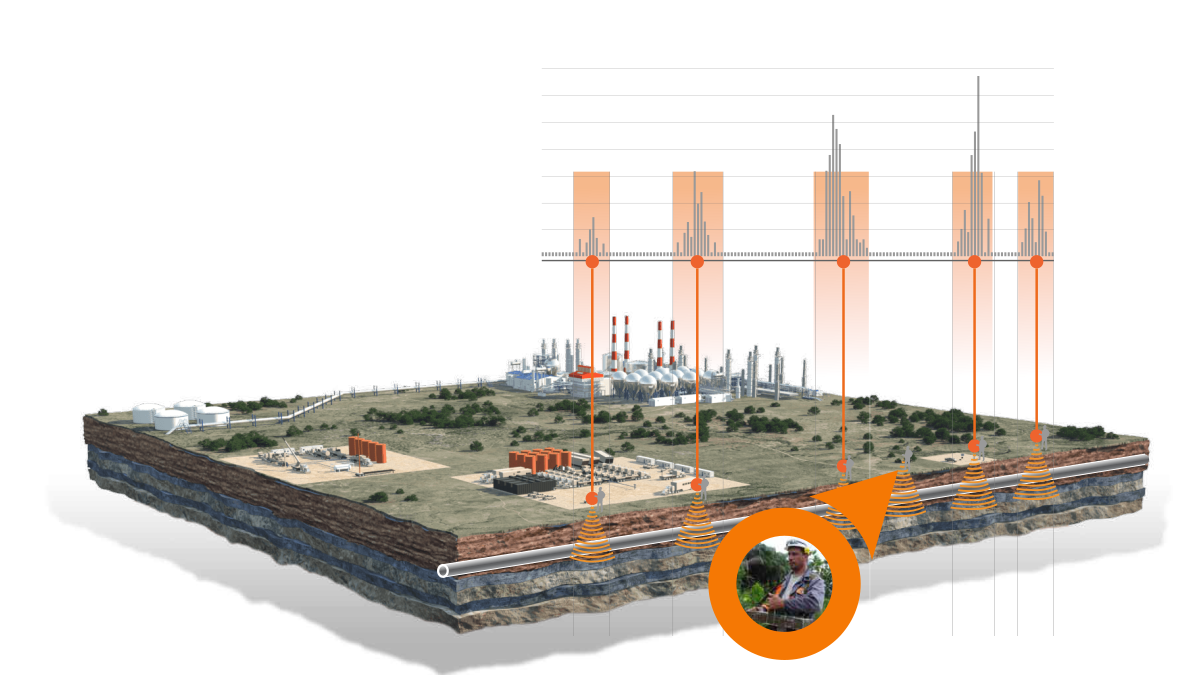
Magnetic Tomography Method inspection
A non-intrusive, non-contact method for inspecting ferrous pipelines. MTM covers 100% of the pipeline and has been proven in industry use since 2001.
An internal pipeline corrosion monitoring system that combines a weight loss coupon with liquid and solid sample collection, for an accurate assessment of the pipeline’s internal condition.
Microbiologically influenced corrosion (MIC) is corrosion caused by the presence and activity of microorganisms such as microalgae, bacteria and fungi. Microorganisms do not produce unique types of corrosion, but they accelerate and shift the corrosion mechanism.
Microbial action contributes to rapid corrosion of metals and alloys exposed to soils, seawater, fresh and distilled water, crude oil, hydrocarbon fuels, processed chemicals and sewage. MIC affects oil production, power generation, transportation, and water and wastewater infrastructure.
Techniques for identifying MIC are non-standard and open to interpretation. MIC usually occurs at interfaces where scale, wax and other solids settle or precipitate. Areas downstream of welds where cleaning pigs struggle to remove deposits, dead legs, low-velocity areas and tank bottoms are particularly susceptible. The resulting pitting is often isolated: one hole surrounded by a number of shallower pits.
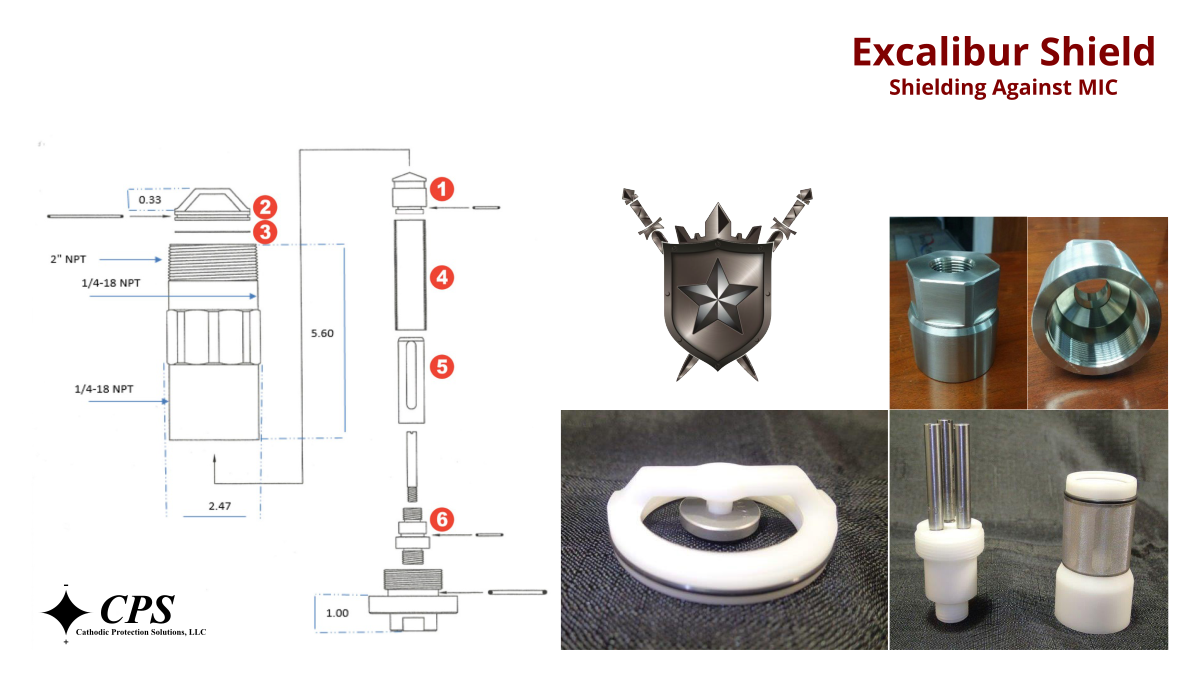
The Excalibur Shield is the most sophisticated internal pipeline corrosion monitoring system available, used by trusted oil and gas service companies. We supply it with a full service package, including installation, testing and commissioning.
A primary filter sits at the mouth of the 100 mL cavity. Inside the cavity is a weight loss coupon, surrounded by a second filter. The unit installs in the pig receiver area. Its octagonal external body makes installation and removal easy, and the base adapter has an O-ring with drain and ventilation valves for secure sealing.
By collecting internal samples for MIC analysis and monitoring coupon weight loss in mils per year (MPY), we produce an accurate, data-driven assessment of the pipeline’s internal condition. Where needed, corrosion can then be mitigated with an optimised, localised chemical treatment programme.
Precision manufactured from corrosion-resistant 316L stainless steel, the Excalibur Shield collects liquid and solid samples from inside the pipeline. MIC analysis of planktonic and sessile bacteria, duplicate serial dilution, and monitoring of chemical inhibitor residuals make the assessment of the internal corrosion management programme more reliable.
Weight loss coupons give the most accurate reading at low-lying areas, the worst-case locations in a pipeline. A carbon steel coupon is placed inside the pipeline for a set period, and the corrosion rate in MPY is calculated from its starting and ending weight, surface area, density and exposure time. The coupon is easy to remove without mechanical damage.
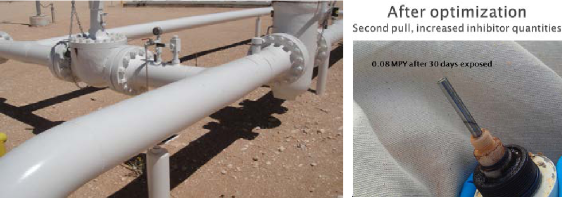
The Excalibur Shield monitored MIC and weight loss at the worst-case location of a 20-mile, 10-inch carbon steel condensate pipeline operating at 700 PSI, with less than turbulent flow.
The pipeline was shut down 50% of the time, creating ideal conditions for bacterial growth and induced corrosion. It had been monitored with a retriever-style coupon and lacked corrosion rate monitoring at the most severe locations, solid sampling and water analysis. The Excalibur Shield monitored sessile and planktonic bacteria, liquid samples, chemical residuals and coupon weight loss.

The Excalibur Shield is manufactured by Cathodic Protection Solutions LLC. El-Eman supplies it to oil and gas companies in the region with installation, testing and commissioning.
Visit the Cathodic Protection Solutions website (opens in a new tab)
Tell us about the asset and its location. We will reply with scope and pricing.
Inspection
Magnetic Tomography Method inspection
A non-intrusive, non-contact method for inspecting ferrous pipelines. MTM covers 100% of the pipeline and has been proven in industry use since 2001.
Magnetic Gradient Tomography Method
The new generation of MTM. A non-destructive testing solution for anomaly detection and pipeline integrity evaluation, for above-ground, underground and offshore pipelines of all types and sizes.
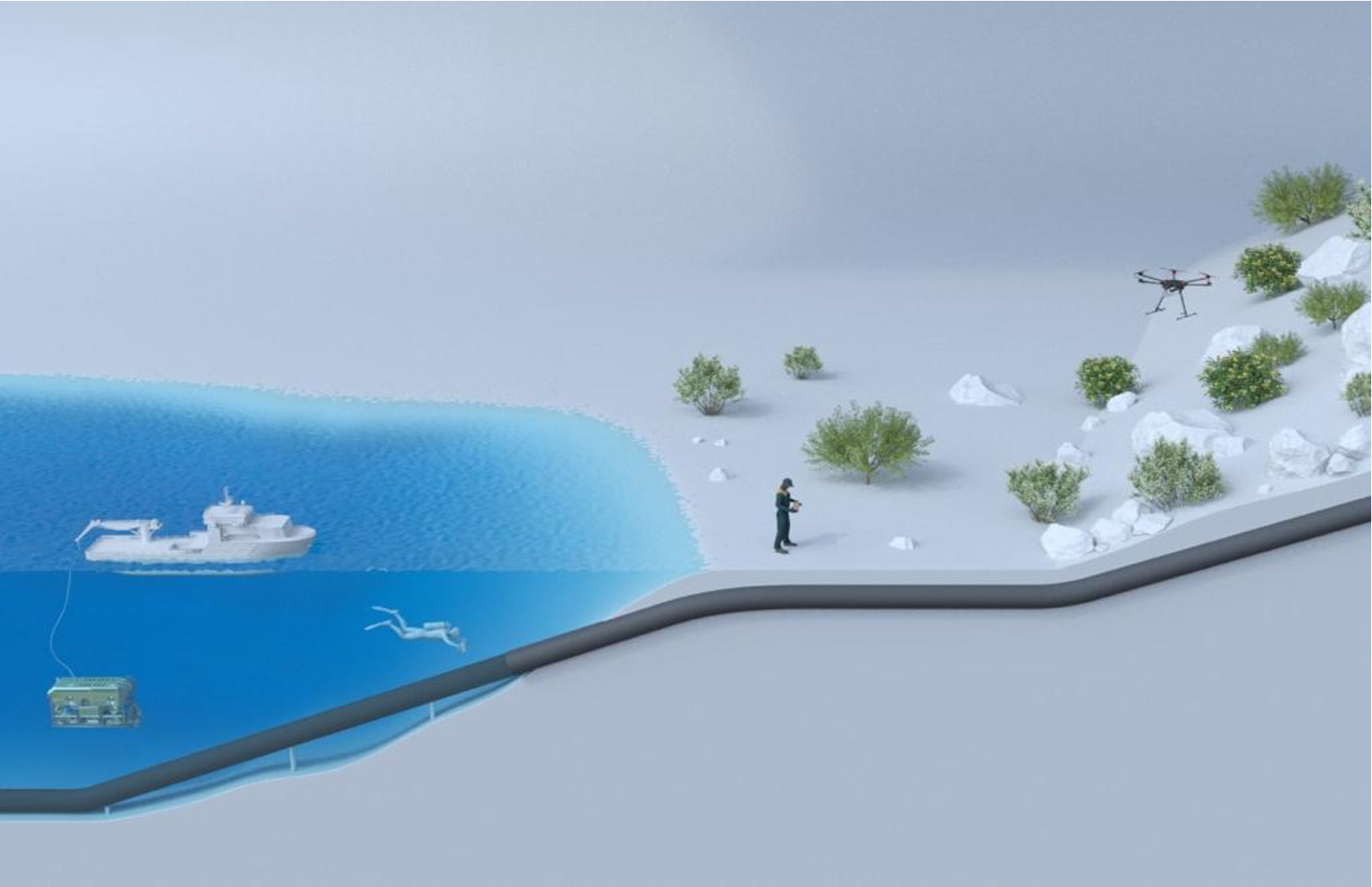
Phonon Diagnostics Technique real-time inspection
Real-time inspection of pipelines, tanks, vessels, heat exchangers, boilers, offshore platform legs and risers, without interfering with the operating process.
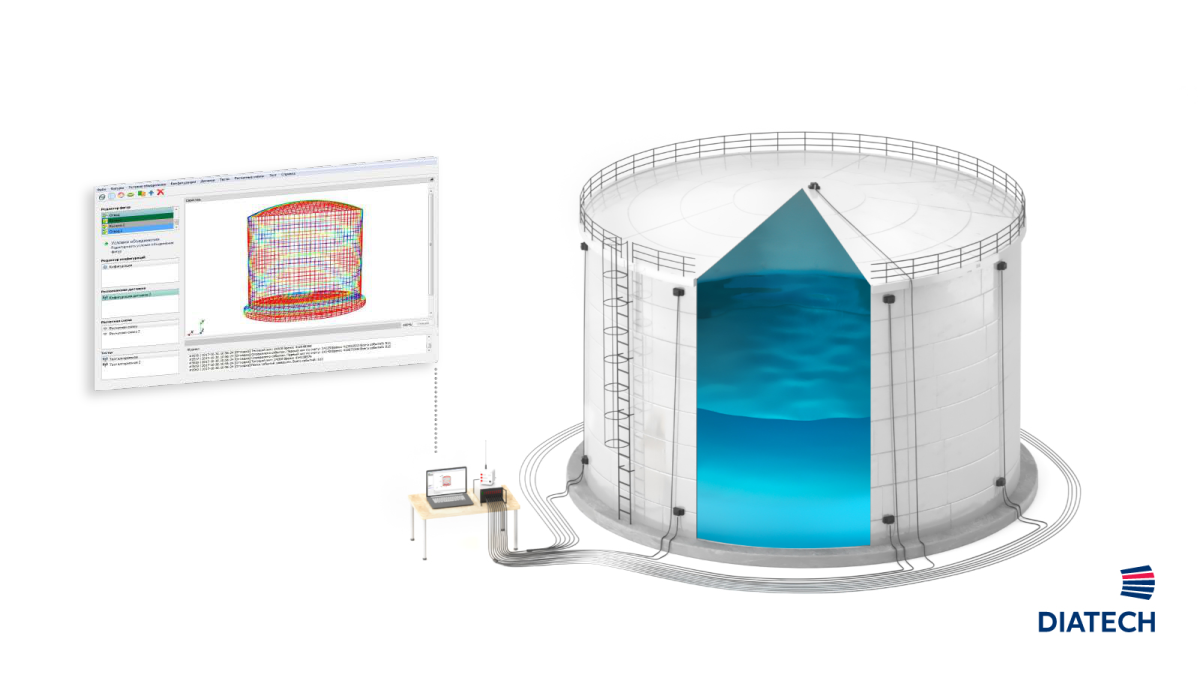
Desulfurization
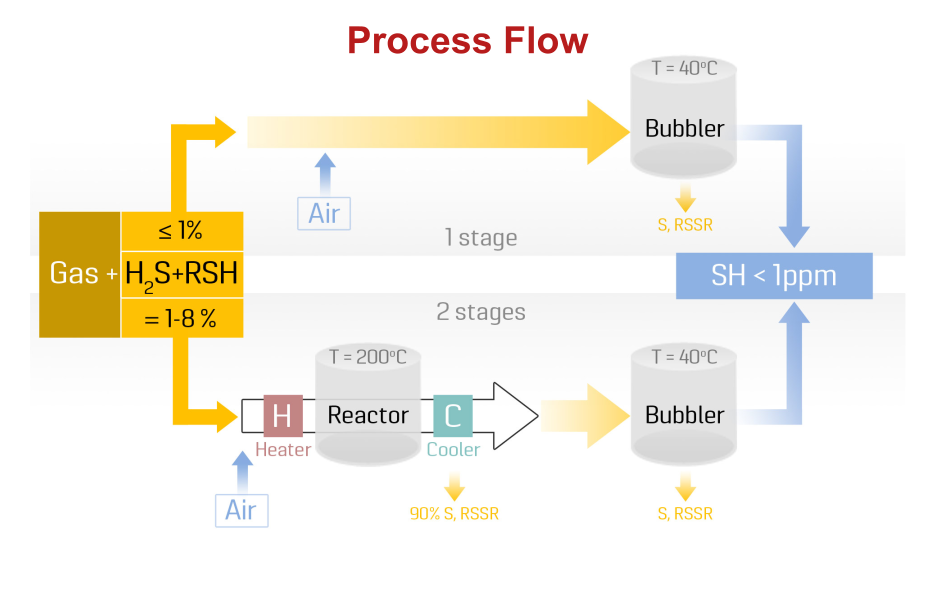
Desulfurization of oil and gas
A patented catalyst technology that reaches product purity of up to 1 ppb in one or two stages of direct oxidation, at 3 to 10 times lower cost of ownership.
Fire protection
Intumescent fire protection coatings
Thin-film intumescent coatings that protect steel and wooden structures for up to 120 minutes in a fire, giving firefighters and rescue services time to evacuate people.